
Current projects
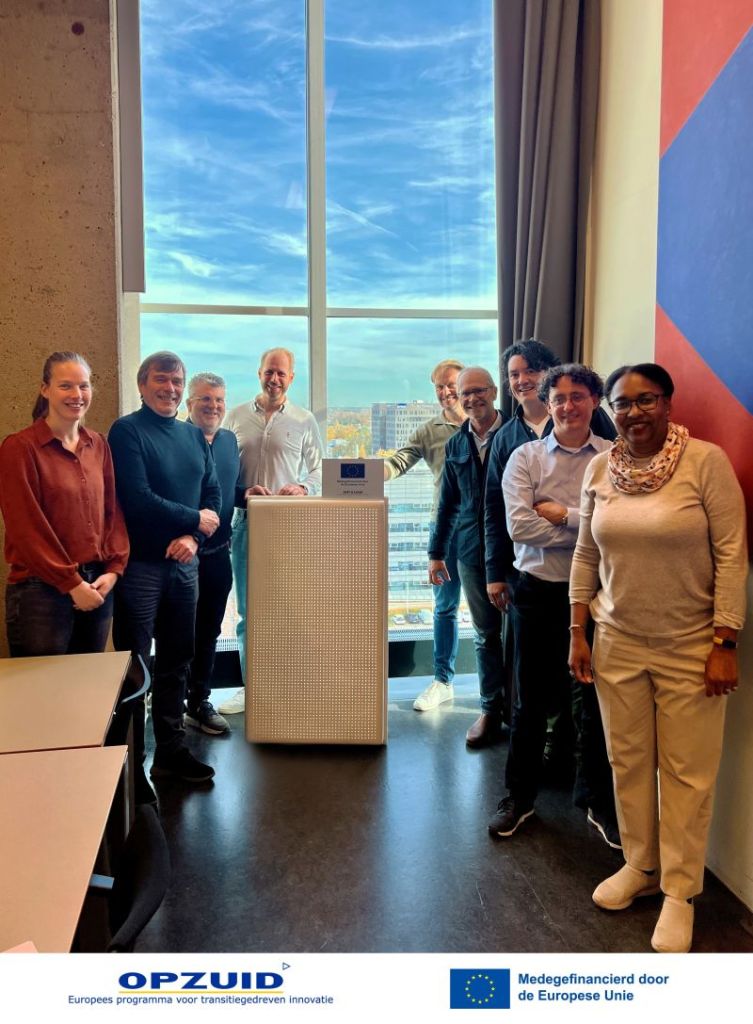
OPZuid Zospeum: Innovative sustainable façade design
OPZuid 2021-2027 programme, 2025-current
This OPZuid project, together with our industrial partners Zospeum, Kawneer Company, Inc., Holcim Netherlands, and VVP Composites BV, focuses on further developing an innovative façade solution that reduces overheating while preserving the daylight essential for human comfort and health. The photo on the left was taken during theproject kick-off meeting last November.
This OPZuid Zospeum project (project number STIM-01152) has received funding from the European Union’s OPZuid 2021-2027 programme, the European EZK- and LNV-subsidy programme 2021, and the co-financing programme European programmes 2021-2027 Provincie Noord-Brabant.
BL-group: We’re excited to welcome an EngD trainee who will help drive this project forward and make real impact. Juliëtte van Duijnhoven will be academic supervisor of the EngD trainee. Helianthe Kort and Roel Loonen will be involved in the project team as well.
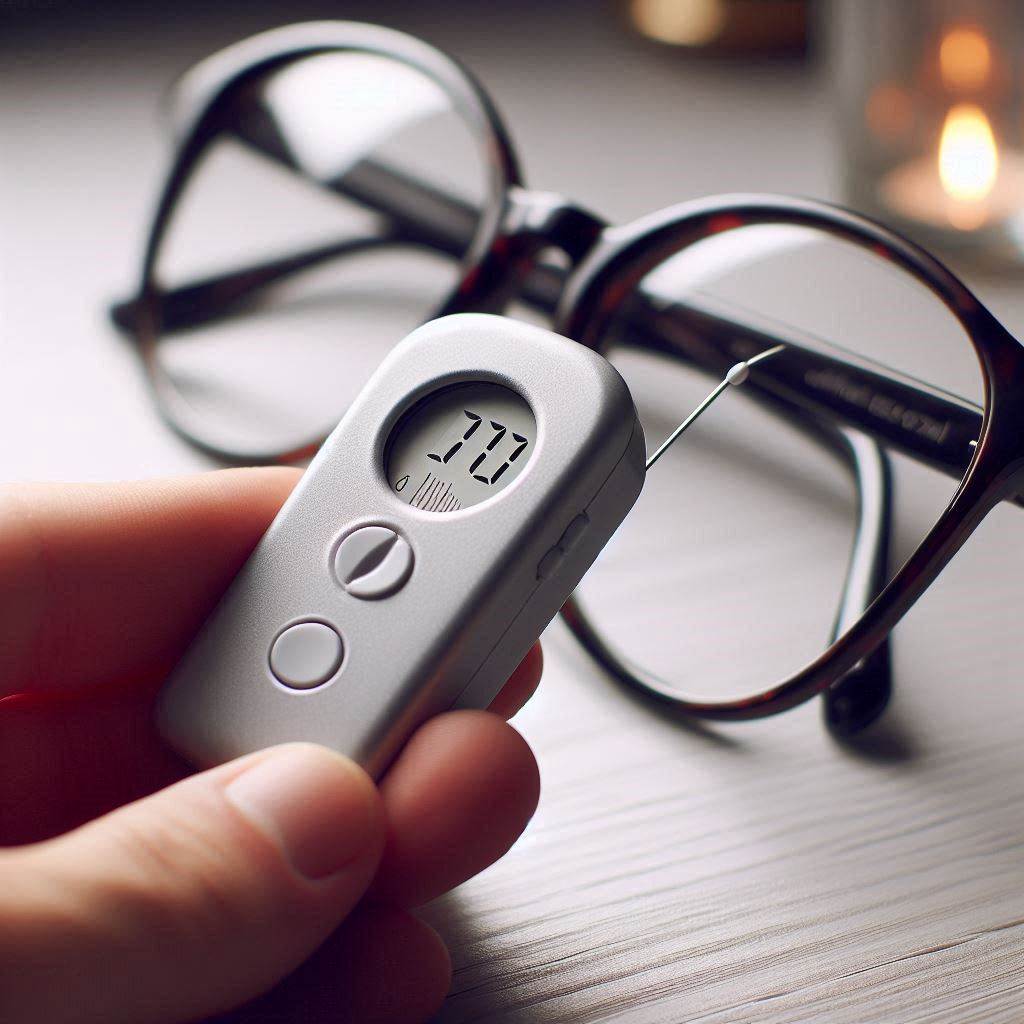
Quantification methods for personal light exposure patterns
TU/e BE Start Stimulus Grant, 2024-current
Personal light exposure patterns (i.e. the light an individual gets exposed to over time) can be quantified using a variety of methodologies. Currently applied methods include light dosimetry, environmental light measurements, lighting simulations, and self-reported scales. However, each method entails certain assumptions and inaccuracies. The project’s aim is to improve the accuracy of quantifications of personal light exposure patterns by refining and/or combining these methods.
BL-group: PhD student Sietse de Vries works on this project. Juliëtte van Duijnhoven is supervisor in this project.

LoLiPoP-IoT
EU HORIZON, Chips Joint Undertaking, 2023-current
In LoLiPoP IoT innovative Long Life Power Platforms will be developed to enable retrofitting of wireless sensor network (WSN) modules in IoT applications. This includes the development of algorithms to perform FUNCTIONALITIES like asset tracking and condition monitoring (for predictive maintenance). They can be used in APPLICATIONS such as industry 4.0, smart mobility and energy efficient buildings. The Workplace Vitality Hub provides a sandbox to test both the infrastructure needed as well as the influence of conditions in our daily environment that we can and should measure, control, and tune to optimize our work environment.
More information about LoLiPoP-IoT.
BL-group: Mariëlle Aarts is involved in Work Package 7 focusing on Use cases.
Past projects

LIGHTCAP
EU HORIZON 2020 MSCA-DN, 2020-current
The LIGHTCAP project was a European Training Network under the Marie Skłodowska-Curie actions framework. LIGHTCAP aimed to provide a strong, innovative and necessary impulse to our insights in the intricate and complex relationships between light, perception, attention and cognition. In LIGHTCAP, 15 early stage researchers were trained in a joint programme between 7 academic European partners.
More information about LIGHTCAP.
BL-group: PhD student Myrta Gkaintatzi-Masouti worked as one of the 15 early stage researchers on this project. The project focus was on implementing the effects of light on humans in the lighting design process. Mariëlle Aarts was PI in this project. Juliëtte van Duijnhoven was mentor in this project.
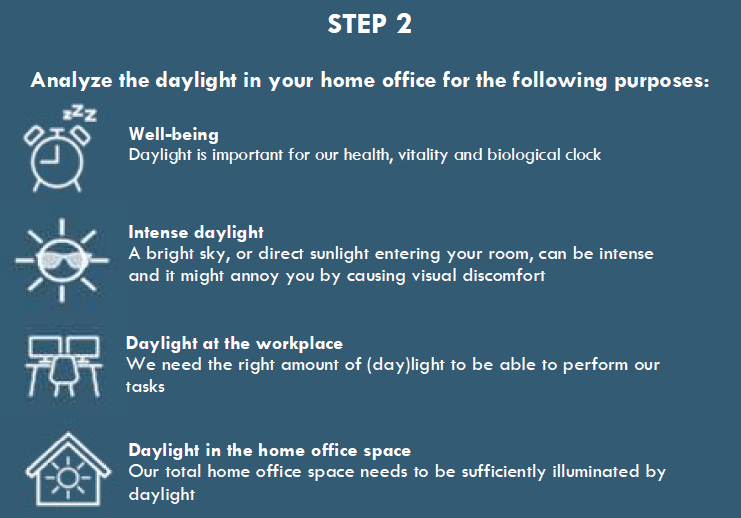
VETHO
Company project supported by VELUX, 2022-2024
This project in which VELUX and TU/e focus on Home Offices (VETHO) is a company project as part of an EngD program. The project’s overall goal was to create a recommendation guideline for home office workers to receive the right amount of light, daylight, at home. EngD trainee Verena de Kok successfully achieved this by developing the DaylightGuide! On April 10th, 2024, Verena presented the (development of the) tool at the Daylight Talks event in Eindhoven.
BL-group: EngD Verena de Kok was involved in this project. Juliëtte van Duijnhoven was her academic supervisor.
IntelLight+
Eindhoven Engine project, 2020-2024
Human-centric lighting should benefit users, but the practicality of this is no clear-cut process. Building on the latest insights into new light sources, Internet of Things and how lighting impacts human functioning, the project takes an integrative approach to developing algorithms to infer and even predict user context to accommodate user needs and preferences as well as innovative lighting and new design methodologies that allow optical designs which promote optimal efficiency, higher optical quality and better utilization.
More information about IntelLight+.
BL-group: EngD Sietse de Vries was involved in this project. Mariëlle Aarts was his academic supervisor.
SMART-SPACE
EU Interreg North-West Europe, 2018-2021
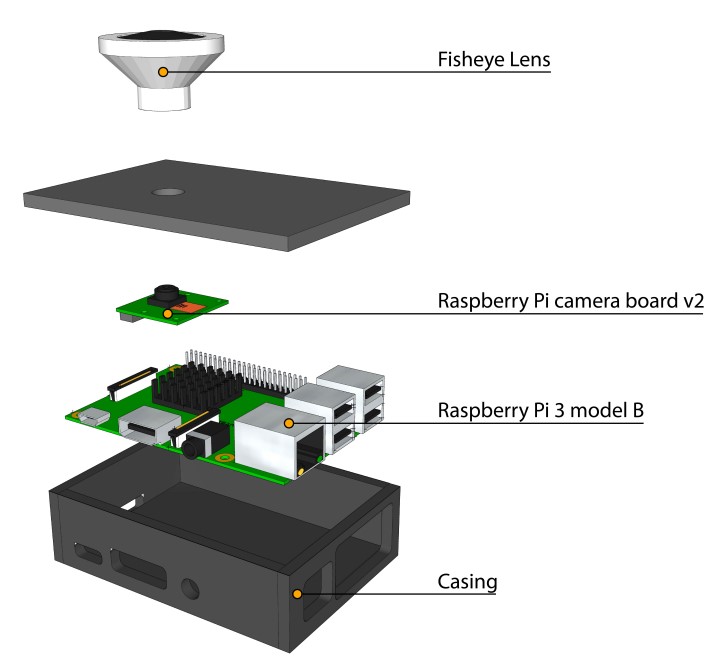
SMART-SPACE aims to facilitate the uptake of smart lighting in small/mid-size municipalities to enhance energy-efficiency and reduce CO2 emission. Using smart sensors attached to light poles, street lighting intensity can be automatically adjusted to the actual local needs, realizing 60% reduction in light energy consumption. However, until now implementation occurred mainly in small scale pilot projects, indicating that to reach the low carbon objectives requires a strong, transnational collaboration to move beyond piecemeal solutions.
More information about SMART-SPACE.
BL-group: Sila Akman Asik was involved as EngD trainee in the project. She developed a user experience toolbox for smart urban lighting solutions. Juliëtte van Duijnhoven was her academic supervisor.
OPTILIGHT
NWO High Tech Systemen en Materialen (HTSM), 2016-2022
The overall goal of this project is to make lighting control systems more centered towards the human user. This requires not only better insights in how humans experience light but also demands quantified models and optimization algorithms that are executed by automated lighting control systems. The project was funded through the NWO HTSM scheme and was conducted in the context of an existing strong bilateral cooperation between TU/e and Philips in the Intelligent Lighting Institute.
More information about OPTILIGHT.
BL-group: PhD student Thijs Kruisselbrink was involved in this project. Supervisors in this project were Alexander Rosemann, Evert van Loenen, and Rajendra Dangol.

Creating Healthy Environments Hospitals
Impuls Spark project, 2015-2019
One of the major societal challenges we are facing today is transforming healthcare so it becomes sustainable in terms of costs, availability and outcomes. In the project “Creating Healthy Environments – Hospitals” the focus is on increasing healthcare effectiveness and outcomes by improving environmental conditions for patients, but particularly for professionals working in hospitals. This Impuls SPARK Project hosted one PhD student from Utrecht University of Applied Science with a focus on sound and one PhD student from TU/e with a focus on light.
Here you can find more information about this project.
BL-group: PhD student Mariëlle Aarts worked on the light-related topic in this project. Supervisors in this project were Alexander Rosemann, Evert van Loenen, and Helianthe Kort.
Creating Healthy Environments Offices
Impuls Spark project, 2015-2019
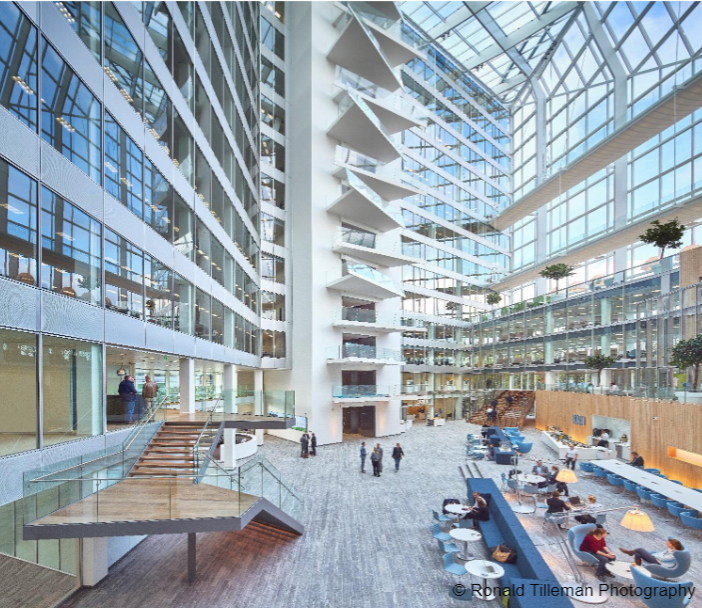
The general approach was to identify lighting solutions for the built environment that form a balanced consideration of energy and health-related aspects for the building occupants in open office environments. This project was a Impuls SPARK Project and consisted of 4 PhD projects; two industrial PhDs and two full-time TU/e PhDs.
Here you can find more information about this project.
BL-group: PhD students Christel de Bakker, Sanae Chraibi, Juliëtte van Duijnhoven and Tatiana Lashina worked on this project. Supervisors in this project were Alexander Rosemann, Evert van Loenen, Helianthe Kort, Myriam Aries and Mariëlle Aarts.
 Building Lighting TU/e